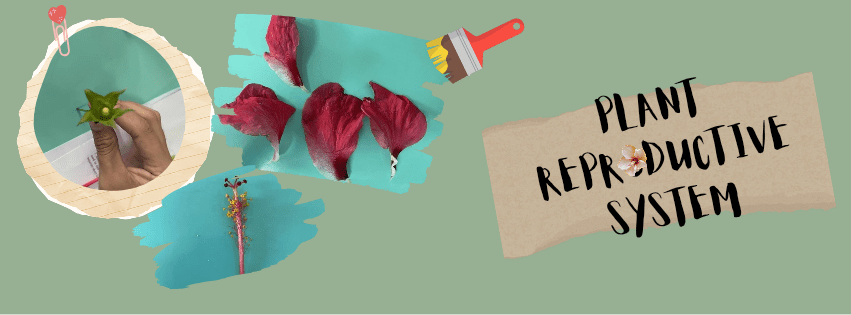
This laboratory marks as the beginning of our dissection on the second semester. We tried to find the parts of reproductive system on a plant specifically, gumamela flower. The dissection is fun, as I helped my groupmates in taking pictures, and dissecting the plant to see its parts example ovary. After dissecting the gumamela, we put the different parts under microscope and observe what does it look like when closer.
Right after dissecting the gumamela, we tried to asked if we can have some other flowers from our classmates to check if there are also reproductive parts just like the gumamela. We asked for two different flowers and start to dissect it and put the parts under the microscope and observe it and took photos.
Overall, the experience of dissecting plant was fun because it is great to have an enjoyable experience and moments with my new groupmates on those times. Aside from that, it is a new experience to try doing microscope not under any animal parts but a plant part. The lab expand my knowledge with plants due to its reproductive system that can be similar to human reproductive
The day of this frog preserving, we have prepared our frog to be jump into a formalin until they die. After that, we have have to wash them using a water and pin it on our dissecting pan. Once finished, it is required to be put under the sun until it was hardened. Lastly, after the sun bath, it is required to be preserved on a jar filled with formalin mixed with water until it is ready to be dissect.
The day of the frog preservation was really fun as we are all get to do all the ways we can think on how we are going to sun bath our frog. Others are in the middle of the quadrangle, some are beside the buildings.
Overall, it was great experience to do this frog preservation with my friends and classmates, as we all enjoyed sun bathing our frogs we have share an enjoyable, memorable and yet knowledgeable.
It was great to experience these kind if new things before ending the senior year with the people that i have been together with since the start of the last Senior Year.
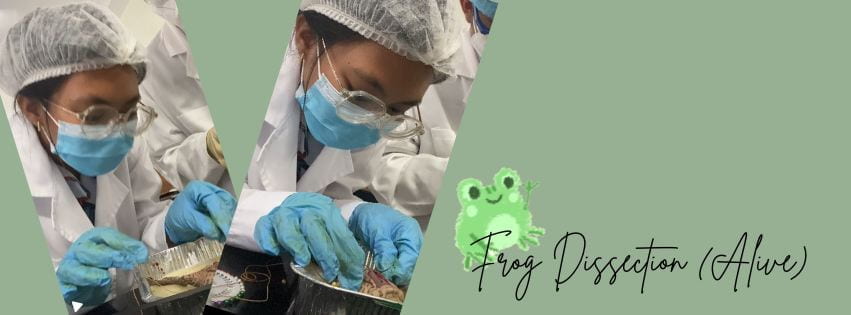
During the lab, we are required to bring out own frog and dissect jt while it is alive. Before the dissection,alcohol are put inside the container of frog and let them inhale it until they passed out. This process helped us pin them properly because they are still calm.
Right after putting the pin on the hands of the frog, it was now ready to go under surgery. First, I cut it diagonally then cut it straight until the though skin get ripped or cut. For me, I had a hard time ripping the skin off because it is so thick and you to be patient. After ripping of the skin,the organ of the frog will now appear.
As i observed, frog has a similar body parts on the human body parts. It consists of lungs, liver, heart etc..
Not gonna lie, i was afraid of frogs, but this dissection is really fun because i have got to face my fears from frogs. Thus, the dissection time i had was super long that i got home super late.
Overall, this dissection is fun and also add new knowledge to me about how frogs can passed put. Aside from that. this experience let me experience how to be a surgeon even on frogs, plus I learned how to ties the frogs correctly
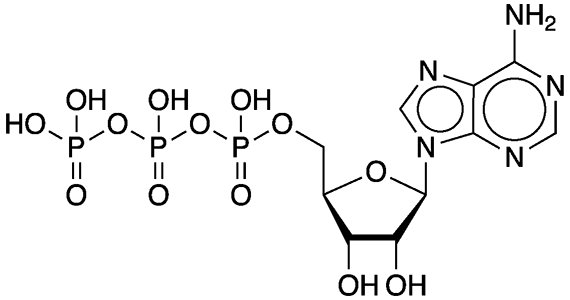
C. LESSON PROPER 1. Recall the relationship between autotrophs and heterotrophs. – Autothrops are known as the producers, while heterothrops are the consumers. When autothrops like plants and bacterias undergo photosynthesis and releases energy, the heterothrops like animals consume the energy they contains. Consumers depends on the energy that the autothrops produces. 2. Relate the storing and use of energy of organisms to that of a rechargeable battery. – In using rechargeable batteries it requires plugging in until it fully charged to support the needs, and plug it again when runs out of battery. We can relate it to the storing of energy where ATP are breaks down into phosphate bond to produce energy, and when the energy are used in the cellular respiration it will convert ADP to produce ATP again. 3. Ask: “What do you think happens after ATP breaks apart and releases its energy?” – The energy is going to be used by the cellular respiration
D. VIDEO ANALYSIS:
1. What is metabolism, and how does it contribute to the overall functioning of a cell? – It is the total chemical reactions thats occur within the cell. This includes breaking down of molecules to release energy that will build new molecules for the growth and repair.
2. Describe the role of enzymes in cellular metabolism, providing examples of specific enzymes and their functions. – The enzymes acts as biological catalyst that helps to speed up the metabolic reactions.
3. Explain the difference between catabolic and anabolic pathways in cellular metabolism. Give examples of each. – Catabolic pathways breaks complex molecules into simpler ones. While anabolic pathways builds complex molecules into simple ones.
4. How does the process of cellular respiration contribute to the production of ATP, the cell’s primary energy currency? – When cellular respiration breaks down in glucose, the ATP was produced by the presence of oxygen.
5. Discuss the importance of glucose in cellular energy production. What pathways are involved in glucose metabolism? – The glucose is the main source of energy for the cells. This undergoes glycolysis and Krebs cycle.
6. What is the significance of the electron transport chain in cellular respiration? How does it contribute to ATP synthesis? – Electrons from the electron transport chain is transfered from NADH and FADH in the way of series of proteins in the mitochondrial membrane. In this way, protons release Hydrogen Ion to create a gradient that will derive ATP synthase to produce ATP.
7. Describe the concept of aerobic and anaerobic metabolism. Under what conditions does each type of metabolism occur in cells? – Aerobic Metabolism uses oxygen to break down the glucose into CO2 and H2O in order to produce high ATP yield. On the other hand, Anaerobic metabolism can occur without oxygen that produces less ATP and by-products like lactic acids.
8. How do cells regulate their metabolic pathways to maintain homeostasis? Provide examples of regulatory mechanisms. – The cells can regulate metabolism through the feedback mechanism which gives the example of Feedback inhibition in which first enzymes are inhibits by the end product of a pathway to prevent overproduction. Another is the Enzyme control that gives the example of Hormonal control wherein blood glucose level are regulated by the insulin and glucagon.
9. Explain the role of mitochondria in cellular metabolism. How do they contribute to energy production within the cell? – Mitochondria are known as the “Powerhouse of the cell” which is because they are the main site of cellular respiration. It contributes energy production on the cell through converting nutrients like glucose into ATP by the use of krebs cycle and Electron transport chains.
10. Discuss the relationship between metabolism and cellular growth. How does energy availability impact cell division and growth processes? – Metabolism is where ATP are produced in order to release energy, then the energy produced in the metabolism are used for the Cellular growth in growing and reparing.
1. Adonesine Triphosphate also known as ATP is a molecule that carries energy to function the cell. ATP is called “the energy currency of life” because it is where all cells depends their energy. Without the ATP, the cell will not move and it will not have its energy to stay alive.
2. Enzymes are protein catalysts that helps biochemical reactions to speed up in way of facilitating molecular arrangement to support cell function
3. The 2 types of enzymes are the Catabolic and Anabolic enzymes. The Catabolic enzymes primarily does the breaking downs of large molecules into small one that releases energy for cells. On the other hand, Anabolic enzymes are the one who builds the structure of cells from complex to simpler one that often requires energy.
4. The recycling process occurs as the cells continue to regenerate as ATP breaksdown into ADP it releases energy for processes like movement. Then the cell will use energy from food through cellular respiration that converts ADP and phosphate back to ATP. This process is essential because it ensures constant supply of energy for the metabolism, growth and repair.
5. Enzymatic browning occurs naturally when a fruit or vegetable are cut or damaged making the oxygen to react with the enzymes and compounds inside ita cells.
6. One factor that can affect enzyme activity is Temperature. If the temperature was too low, the enzyme activity slows down. But if its too high, its structures changes and looses function.
7. It is important to continously recycle ATP because it is the main source of energy of the cells. If the ATP runs out cells cannot be function properly and it will not survive.
8. The cell uses ATP as their energy currency in which it transfers the energy that has been stored in phosphate bonds to power different cellular process.
9. It is the sum of all chemical reactions that occurs the living organism that maintains life.
10. Coenzymes is the organic molecules that assist enzymes that will do catalyzing biochemical reactions. One example of Coenzymes is the Nicotanamide Adenine Dinucleotide
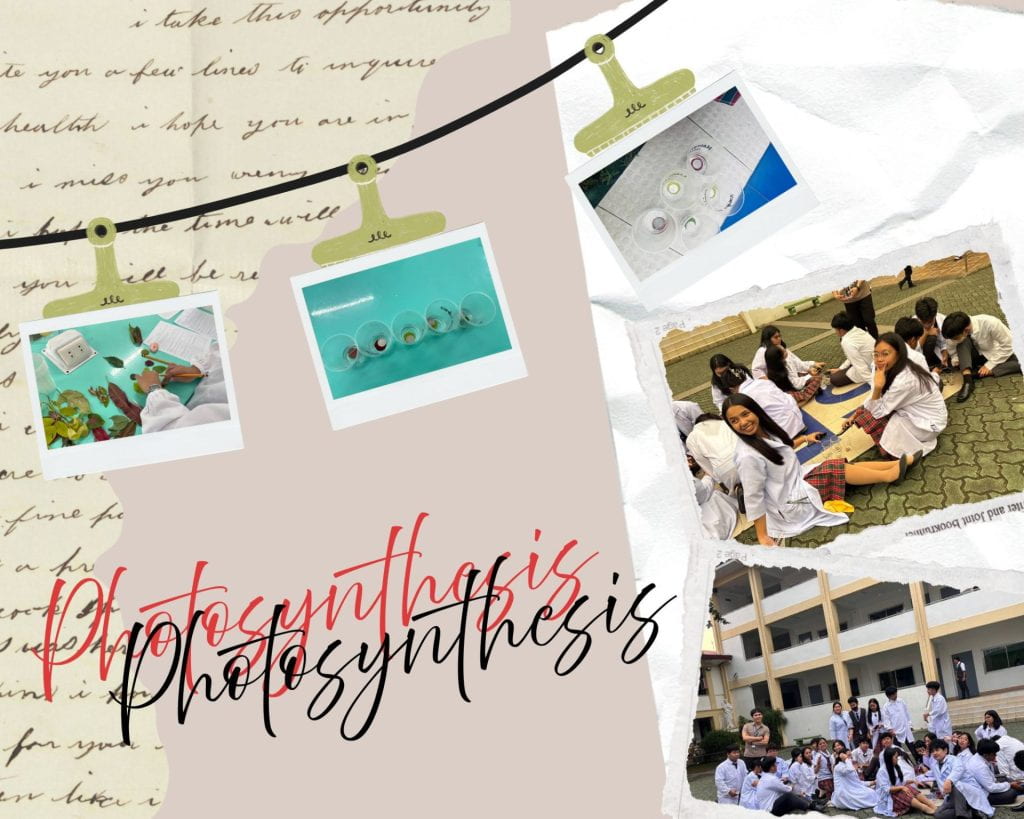
In this experiment, process of photosynthesis using a leaves inside a cup with water in indoor and outdoor was observed. Before that, julia and me search a different type of leaves and bring it to Janella and Princess in the Lab. After that, they already set the materials up in which 10 different types of leaves are placed inside a cup. Right after, half of water are put in the cups that had leaves but the leaves are floating which should not happend, so we collect 1 peso coin and drop it in the middle of leaves to prevent from floating,
After the set up of the materials, me and Julia went outside with 5 cups and placed it under the sun, while Princess and Janella stayed inside for the observation of the other 5 cups inside the Laboratory. We need to observe the photosynthesis that will happen in the leaves in the way of observing how many bubbles appear while under the sun, and while indoor which Janella and Princess job to check.
This activity is super fun as the whole class are outside while waiting for the bubbles to rise. We had much fun with the experiment which gives us also knowledge on the activity which just shows how leaves soaked in the water do the photosynthesis process that will makes bubbles appearch which is a product of photosynthesis.
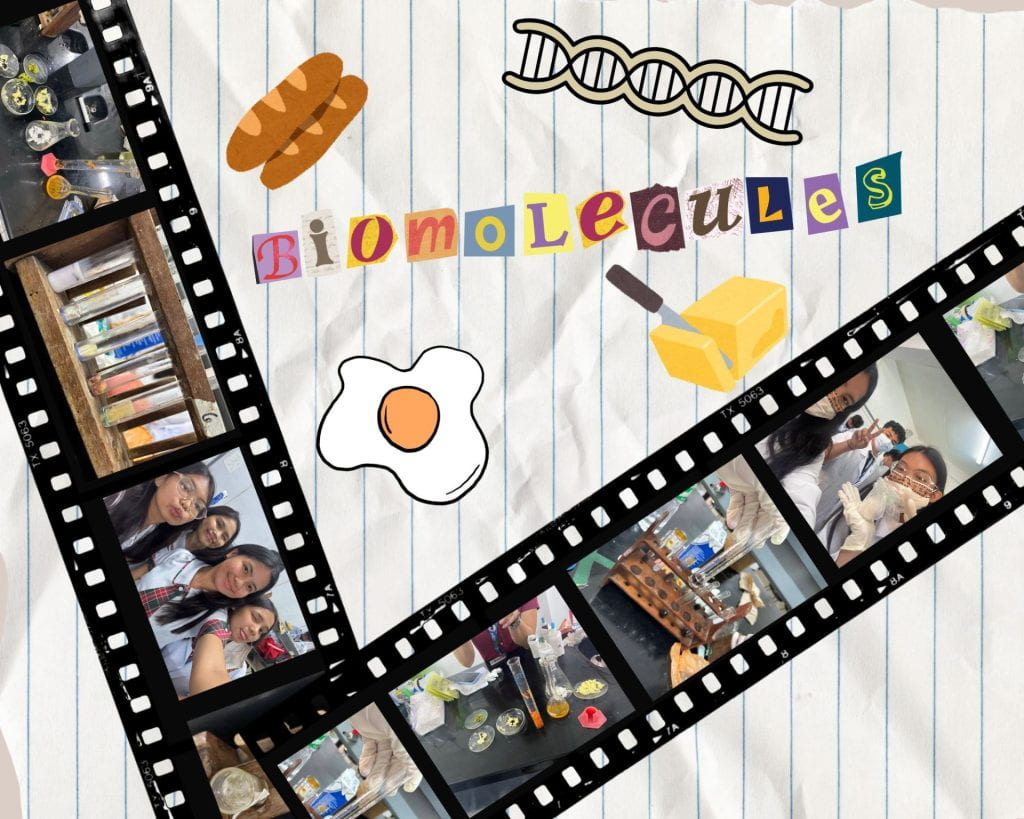
The experiment was held in the lab with 4 different types of activity guided by the worksheet. We have decided to split the activity since it is suit for the four of us. Janella took the activity for the lipids, Princess got assigned in the Protein, While Julia is on Nucleic Acids, and I got the Carbohydrates. 4 of us got busy by our assigned activities. We got struggle about the containers to be used in order to put the food we brought.
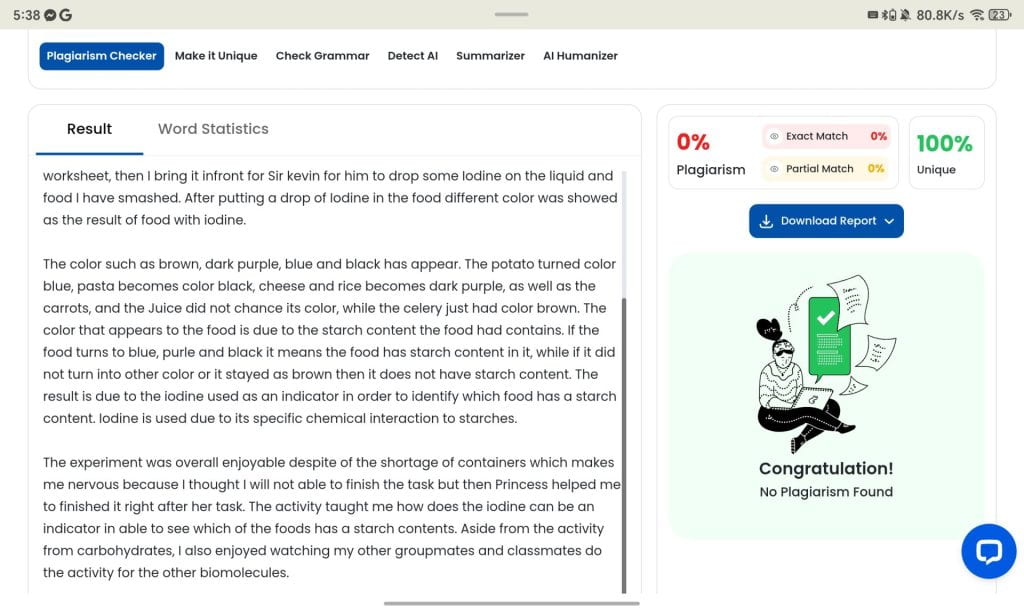
In the experiment I have done, i mashed all the foods that is told to bring, and i put the liquids in a container. After that, I numbered the food container according to the worksheet, then I bring it infront for Sir kevin for him to drop some Iodine on the liquid and food I have smashed. After putting a drop of Iodine in the food different color was showed as the result of food with iodine.
The color such as brown, dark purple, blue and black has appear. The potato turned color blue, pasta becomes color black, cheese and rice becomes dark purple, as well as the carrots, and the Juice did not chance its color, while the celery just had color brown. The color that appears to the food is due to the starch content the food had contains. If the food turns to blue, purle and black it means the food has starch content in it, while if it did not turn into other color or it stayed as brown then it does not have starch content. The result is due to the iodine used as an indicator in order to identify which food has a starch content. Iodine is used due to its specific chemical interaction to starches.
The experiment was overall enjoyable despite of the shortage of containers which makes me nervous because I thought I will not able to finish the task but then Princess helped me to finished it right after her task. The activity taught me how does the iodine can be an indicator in able to see which of the foods has a starch contents. Aside from the activity from carbohydrates, I also enjoyed watching my other groupmates and classmates do the activity for the other biomolecules.
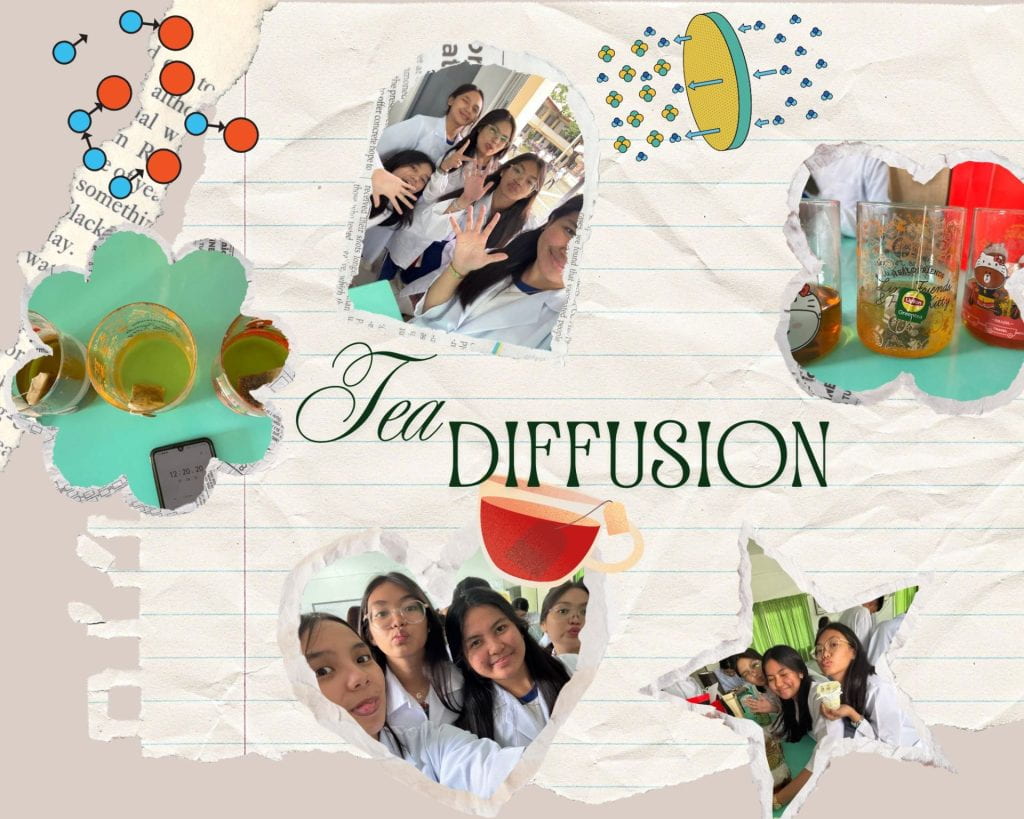
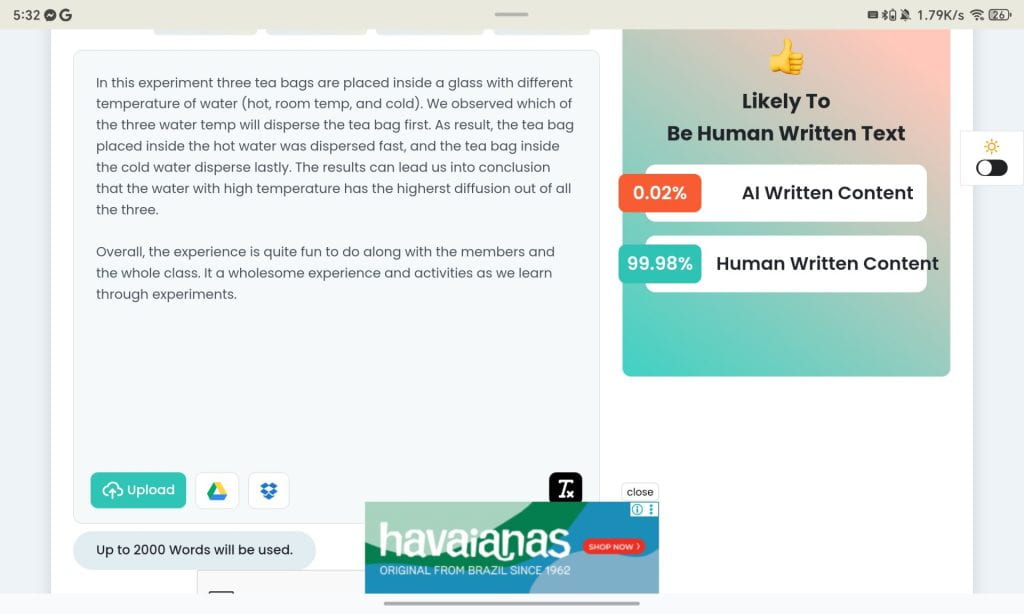
In this experiment three tea bags are placed inside a glass with different temperature of water (hot, room temp, and cold). We observed which of the three water temp will disperse the tea bag first. As result, the tea bag placed inside the hot water was dispersed fast, and the tea bag inside the cold water disperse lastly. The results can lead us into conclusion that the water with high temperature has the higherst diffusion out of all the three.
Overall, the experience is quite fun to do along with the members and the whole class. It a wholesome experience and activities as we learn through experiments.
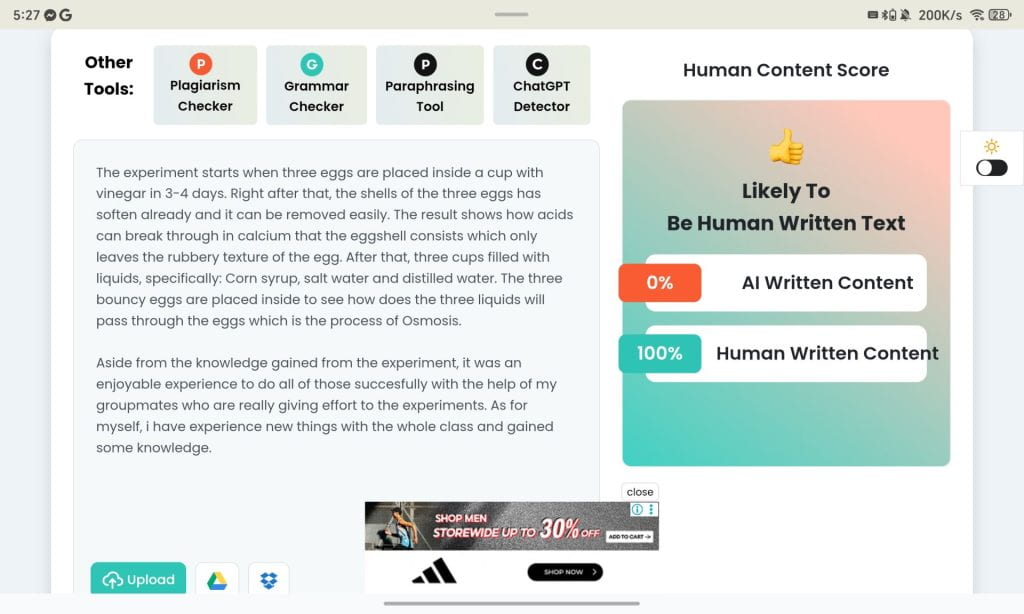
The experiment starts when three eggs are placed inside a cup with vinegar in 3-4 days. Right after that, the shells of the three eggs has soften already and it can be removed easily. The result shows how acids can break through in calcium that the eggshell consists which only leaves the rubbery texture of the egg. After that, three cups filled with liquids, specifically: Corn syrup, salt water and distilled water. The three bouncy eggs are placed inside to see how does the three liquids will pass through the eggs which is the process of Osmosis.
Aside from the knowledge gained from the experiment, it was an enjoyable experience to do all of those succesfully with the help of my groupmates who are really giving effort to the experiments. As for myself, i have experience new things with the whole class and gained some knowledge.
Unregulated cell is a type of cell division that is uncrontrolled. The cells tends to divide rapidly and unstoppable. This type of cell division can lead into damaged of tissues that can be spread to a persons body. Aside from that, the growth of cell is also uncontrolled. This unregulated cells is the cause of development of Cancers in our body.
Due to abnormal growth of cells, and uncontrolled cell divisions of cell this causes cancers. Tumor is the most known cancer caused by the uncontrollable cell divisions of cells. Cells are usually under constant control during cell division, as well as the growth of cells in order to avoid the disease from unregulated cells. Tumors were developed as a single cells start to proliferate abnormally.
In a healthy cells, regulation of cell division prevents occurance of tumors as their cell cycle is normal and does not move abnormally. But due to the unregulated cell occurance in some body, spreading of tumors can commonly happened because cells are uncontrolled
In conclusion, unregulated cells are the cells that cannot control their cell division, and their cell growth that can be the start of development of cancer, like tumor. Unregulated cells if not prevent as early as possible can a cause of death of a person.